The Best Camera for Wedding Photography (2026 Guide)
Weddings are fast, unpredictable and often dark. The best wedding camera is the one that reliably nails autofocus in poor light, protects your files with a backup, and fits the lenses you already own or plan to buy. This guide covers what matters, which cameras photographers are using in 2026, and how much resolution you actually need for albums.
What Makes a Great Wedding Camera?
- Two card slots. Never shoot a wedding without simultaneous backup. Cards fail, and you only get one chance at the day.
- Strong low-light performance. Receptions are dark, so you need clean files at high ISOs.
- Reliable eye-detection autofocus. Modern mirrorless autofocus keeps the bride sharp as she walks down the aisle, even with moving subjects and hair in the way.
- Silent shutter. Ceremonies are quiet, and an electronic shutter that avoids banding and distortion is a big advantage.
- Battery life and handling. You may shoot 8-12 hours, so comfort and battery capacity matter.
- Lens ecosystem. Lenses often cost more than the body and last longer, so choose the system, not just the camera.
Wedding Cameras Photographers Are Choosing in 2026
Reviewers disagree on the "best" body because the answer depends on your system, budget and style. These are the cameras that come up most often.
| Camera | Resolution | Why wedding photographers choose it |
|---|---|---|
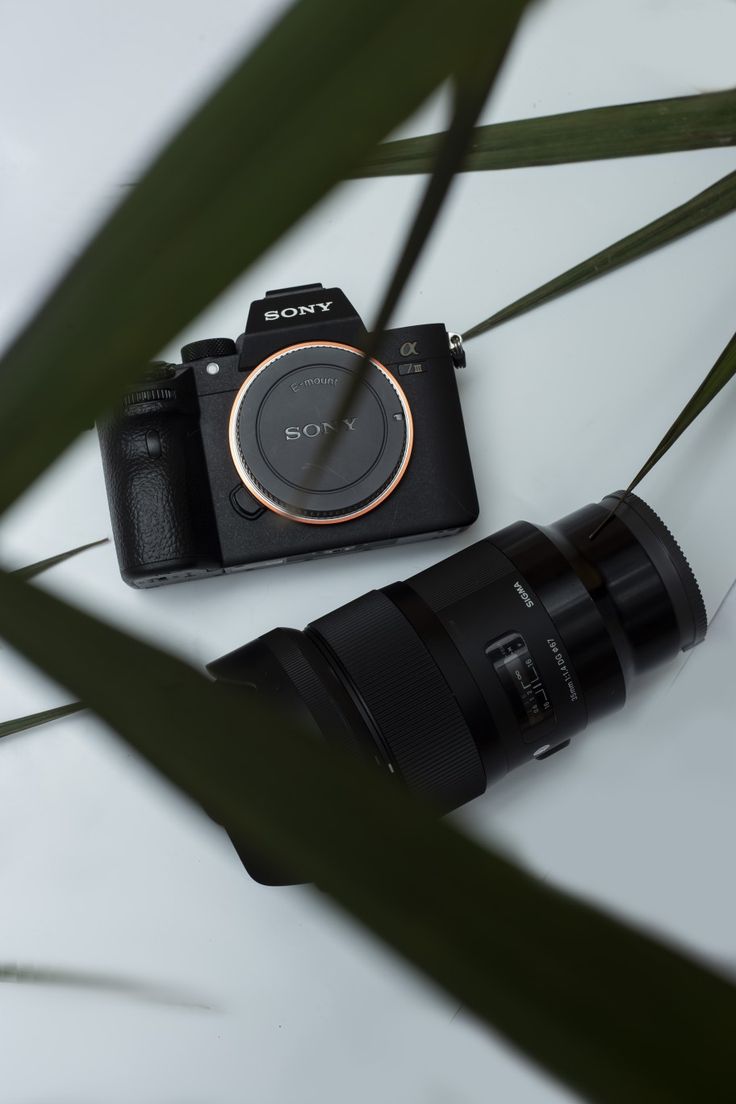
| Sony A7 IV | 33MP | Versatile hybrid, strong value, dual card slots and a mature lens ecosystem |
| Sony A7 V (newer) | 42MP | Newer Sony hybrid body that 2026 guides put on the shortlist for weddings |
| Canon EOS R6 Mark II | 24MP | Reliable autofocus, good handling and dual SD slots |
| Canon EOS R6 Mark III (newer) | 24MP | Canon's newer "shoot-the-day" body, praised for ergonomics on long days |
| Nikon Z6 III | 24.5MP | Partially stacked sensor and strong low-light autofocus; a favourite among working wedding shooters |
| Nikon Z8 | 45.7MP | High-resolution, fast, hybrid-friendly body; no mechanical shutter |
| Canon EOS R5 Mark II | 45MP | High resolution with CFexpress and SD slots; strong for portraits and detail |
| Sony A7R V | 61MP | Premium high-resolution option |
Which should you choose?
- If you already own lenses, stay in your system. Switching brands costs more than a new body.
- For the best all-round value, look at the Sony A7 IV, Canon R6 Mark II or Nikon Z6 III, which are often discounted now that newer models are out.
- For the newest features, look at the Sony A7 V and Canon R6 Mark III.
- For heavy cropping or large prints, consider a 45MP body like the Z8 or R5 Mark II.
- If you're starting out, many photographers buy used bodies, such as an A7 IV with an A7 III, or an R6 with an R5, to keep costs down.
- Always carry a backup body, even a cheaper one.
How Many Megapixels Do You Actually Need?
More megapixels aren't automatically better for weddings. Higher resolution gives you cropping room, but it also means larger files, slower culling and editing, and more storage.
For albums, a quick calculation shows how much resolution you need:
- A 24MP camera produces roughly 6000 × 4000 pixels.
- Crop that to a 2:1 shape for a full-width spread, and you have about 6000 × 3000 pixels.
- Printed across a 12 × 24 inch spread, that works out to about 250 pixels per inch, which is a commonly used range for high-quality prints.
This is an approximate guide. Check your lab's resolution requirements and what size you plan to print.
In short, a 24MP camera is enough for most album spreads, and 45MP mainly helps with heavy cropping and very large wall art.
Don't Forget Your Lenses
For many wedding photographers, lenses affect image quality more than the body. Most pros build around a fast standard zoom (such as a 24-70mm f/2.8), a short telephoto or 85mm prime for portraits, and a wide option for venues. Choose the lenses that match your style and the lighting you shoot in.
From Camera to Album
Once you've shot, culled and edited the wedding, a printed album is a natural product to offer. High-resolution files are fine for album design, but large catalogues can slow down heavy software. AlbumMaker is a lightweight desktop app built to handle massive galleries effortlessly (tested with over 2,000 high-res images). It can draft layouts from your selects so you can refine them instead of starting from scratch. Not sure how many images to choose? Read our guide to photo culling.
FAQs
What is the best camera for wedding photography?
There isn't one answer. The Sony A7 IV, Canon R6 Mark II and Nikon Z6 III are popular mid-range choices, and the Sony A7 V and Canon R6 Mark III are newer. Your lenses and system matter most.
Do I need two card slots for weddings?
Yes. Simultaneous backup protects you if a card fails.
Is a full-frame camera necessary?
Most wedding professionals use full-frame mirrorless bodies for better low-light performance, though crop-sensor systems can work for some photographers.
How many megapixels do I need for wedding photography?
Around 24MP is enough for most albums and prints. Higher resolution helps with cropping and large prints.
What's the best camera for beginners in wedding photography?
A used mid-range full-frame body with two card slots, paired with a quality lens, gives the best value.
Should I shoot two bodies?
Many photographers do, either to avoid changing lenses or as a backup.
Ready to Design Your Albums?
Import your wedding galleries and build professional spreads in minutes.
Try AlbumMaker free for 14 days →